
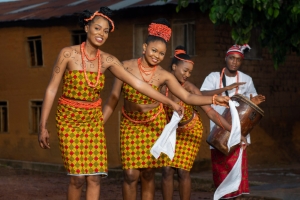
Zambia is known for its warm, friendly people and rich cultural diversity. 🇿🇲 If you’re planning to visit, understanding and respecting local customs will help you make the most of your experience while connecting with the locals. From greetings to table manners, here’s a handy guide to the essential customs and etiquette you should know! 🤝🌍
1. Greetings: A Warm Welcome! 👋😊
Table of Contents
ToggleZambians are known for their friendly nature, and greetings are an important part of daily life. Don’t skip them—take the time to greet people, and you’ll immediately feel the warmth of the culture.
- Handshake Tradition 🤝: The classic handshake is the most common form of greeting. Be sure to offer a firm but friendly handshake, and you might even notice that people often shake hands multiple times—when they first meet you and when they part ways!
- “How Are You?” 💬: You’ll often hear “How are you?” in English, or in Bemba or Nyanja, the local languages. Respond with “I’m fine, thank you!” to keep the conversation polite and flowing.
2. Respect for Elders 🙏
Respect for elders is a cornerstone of Zambian culture, and it’s something that should be mirrored in your interactions.
- Addressing Elders 👴👵: When speaking to older people, it’s polite to use formal titles like “Sir” or “Madam,” or address them by their respectful title (e.g., “Uncle” or “Auntie”). It’s a sign of deep respect in Zambian society.
- Standing for Elders 🪑: If an elder enters the room, it’s polite to stand up as a sign of respect, especially in rural areas.
3. Dress Modestly 👗🧥
While Zambia has a laid-back vibe, modesty in dress is still valued, particularly in rural areas or at religious sites.
- Casual Yet Respectful 👚: In urban areas like Lusaka, casual attire is fine for tourists. However, when visiting rural villages, it’s recommended to dress conservatively, especially for women—cover your shoulders and knees.
- Religious Sites ⛪: If you plan to visit churches or any places of worship, be sure to dress modestly. Avoid wearing hats or sunglasses inside religious buildings.
4. Gift-Giving Etiquette 🎁🎉
Gift-giving is a common and appreciated custom in Zambia, especially during celebrations, family gatherings, or when visiting someone’s home.
- Bringing a Small Gift 🎁: If you’re invited to a local home, it’s a kind gesture to bring a small gift as a token of appreciation. Something simple, like fruit, or a small souvenir from your home country, can be a perfect choice.
- Receiving Gifts 👐: When you receive a gift, it’s customary to show gratitude with a warm “thank you” and a handshake. It’s also polite to open the gift in front of the giver, though in more formal settings, you may open it later.
5. Table Manners 🍽️🍴
Eating is a communal and social activity in Zambia. Here’s what you need to know about dining customs:
- Sharing Meals 🥘: Zambians often share meals, so expect to eat together with family or guests. Don’t hesitate to join in! It’s a sign of unity and respect.
- Eating with Your Hands 🍞: In some parts of Zambia, especially among the Bemba and Nyanja people, eating with your hands is the traditional way of enjoying a meal. It’s common to scoop nshima (a local staple) with your right hand and dip it in stews or vegetables.
- Be Mindful of Food Offering 🍖: If someone offers you food, it’s polite to accept, even if you’re not hungry. Refusing might be seen as disrespectful, especially if you’re a guest.
6. Photography Etiquette 📸🤳
Zambians are generally friendly and open to having their photos taken, but it’s important to ask for permission first, especially in rural areas.
- Ask Before You Shoot ✋: While taking pictures of landscapes is generally fine, always ask locals before snapping photos of people. Some may prefer not to be photographed, especially elders or in sacred spaces.
- Respect Sacred Sites ⛪: Avoid taking photos in religious places or during ceremonies unless you’ve asked for permission first.
7. Cultural Celebrations & Festivals 🎉🎊
Zambia is a country rich in cultural traditions and festivals, and if you’re lucky enough to experience one, you’ll be immersed in the heart of Zambian culture.
- Hakainde Hichilema’s Independence Day 🇿🇲: Zambia’s Independence Day (October 24) is a major celebration with parades, music, and dancing. Don’t miss the chance to join the locals in celebrating!
- Traditional Ceremonies 🎭: Zambia is home to many different ethnic groups, each with its own unique traditions. Festivals like the Kuomboka (celebrated by the Lozi people) and N’cwala (held by the Ngoni people) are spectacular events to witness.
8. Tipping Etiquette 💸
Tipping is appreciated in Zambia, but it’s not mandatory. Here’s what you should know:
- Restaurants 🍽️: Tipping around 10% in restaurants is appreciated if the service is good. If a service charge is already added to your bill, no further tipping is required.
- Tour Guides & Drivers 🚗: If you’ve had a great experience with a guide or driver, tipping is a nice gesture. A small amount (e.g., $5-$10) goes a long way in showing appreciation for their services.
- Hotels 🏨: It’s customary to tip hotel staff, especially porters or housekeeping. A small tip of 5-10 kwacha ($0.50 to $1) is a thoughtful way to express gratitude.
9. Respect for the Environment 🌱🌍
Zambians take pride in their natural beauty, and respecting the environment is an important custom.
- Littering is a No-No 🗑️: Keep Zambia beautiful by disposing of your trash properly. Many towns and national parks have clean-up campaigns, so join in by not littering.
- Conserve Water 💧: Water scarcity is an issue in some areas of Zambia. Be mindful of your water usage, especially in rural parts.
Conclusion
Zambia is a place where hospitality, respect, and strong cultural values shine through. By learning and embracing the local customs, you’ll not only show respect but also deepen your travel experience. Whether you’re shaking hands with a local or sharing a meal with a family, Zambia’s customs will make you feel at home. 😊🌍


